




HOMESecure Messenger & Documents
Every message trusted. Every signature binding.
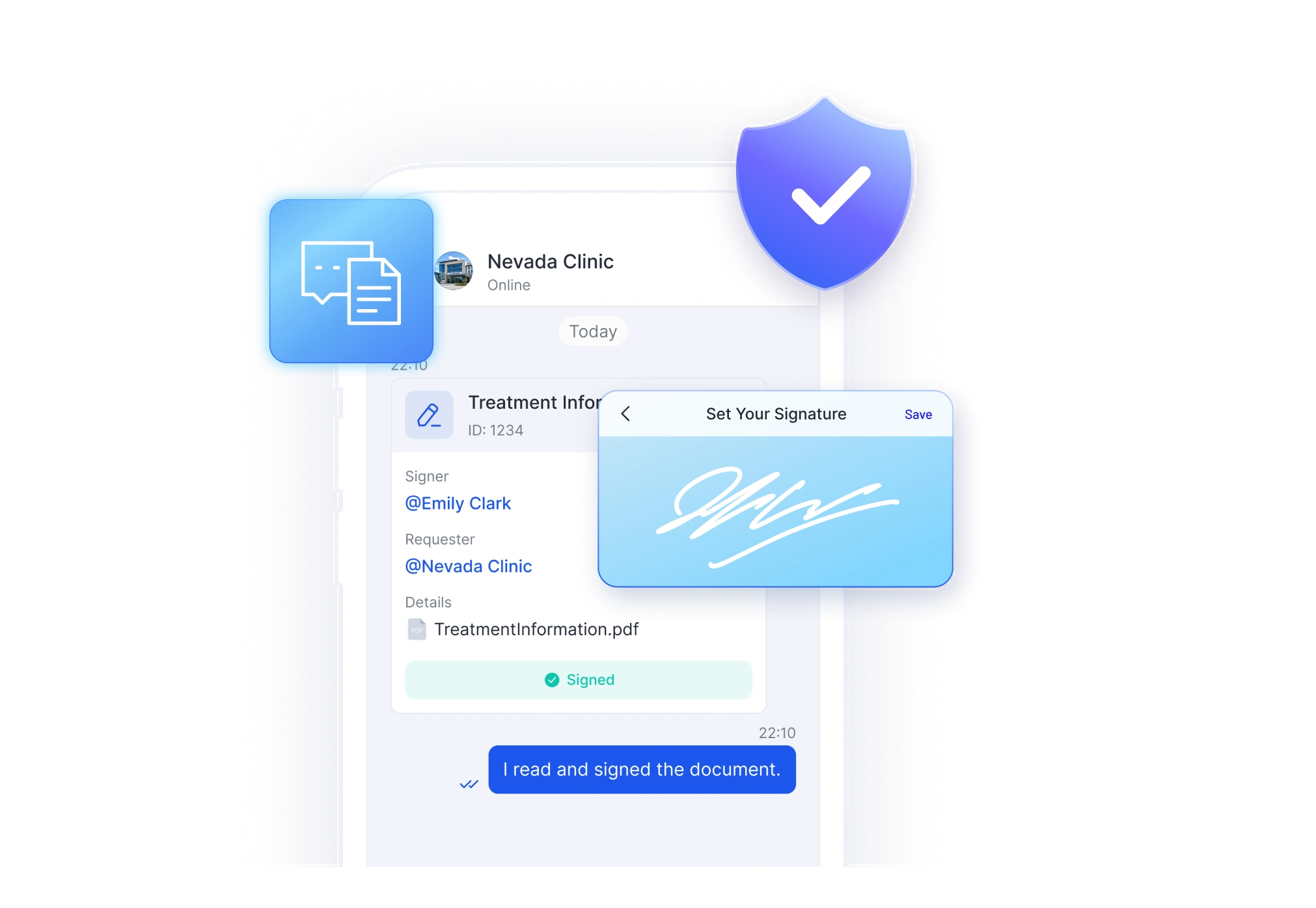
Encrypted messaging and legally binding digital signatures, in one secure channel.

Overview
Built on Trust. Binding at Scale.
Every conversation stays encrypted. Every signed document stays binding. The same trust infrastructure behind KOBIL’s full platform.
Trusted Where Failure Is Not an Option






From Conversation to Signature, One Trusted Channel.
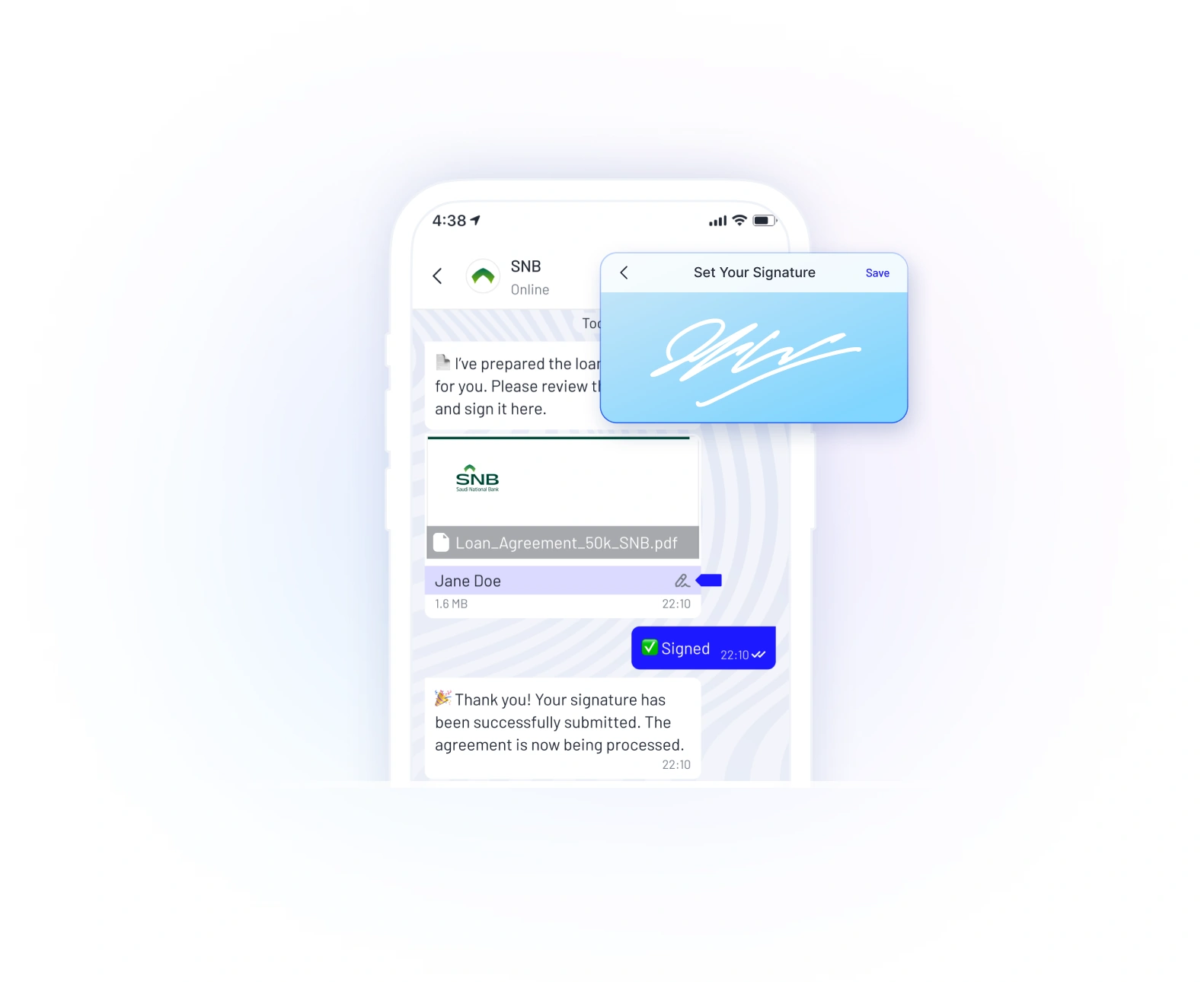
Chat, share documents, and collect signatures, without leaving a verified, encrypted environment.

-
Secure Chat, Instantly
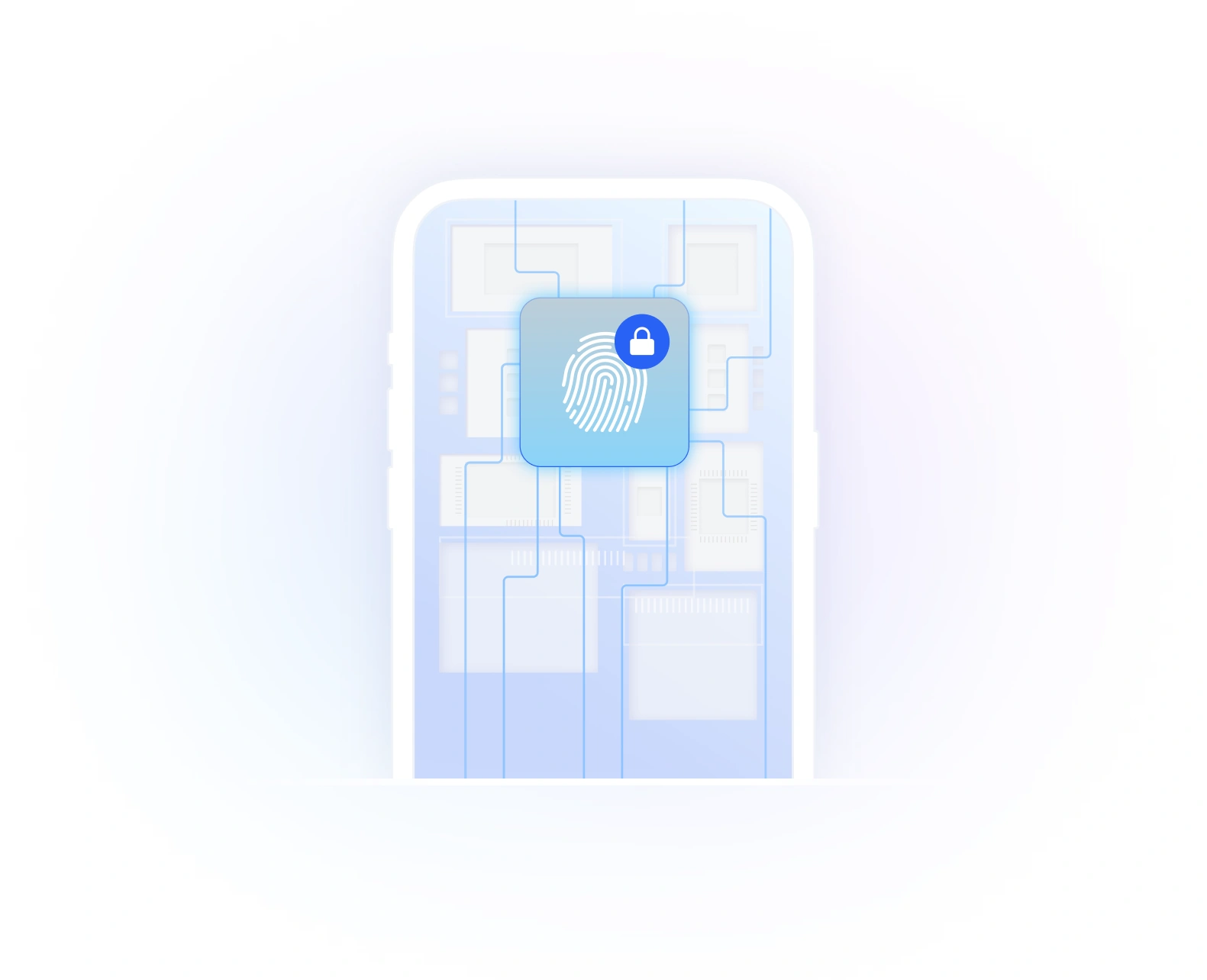
Encrypted messaging, verified identity on both ends. No spoofed accounts, no unregistered numbers.
-
Share Documents Securely
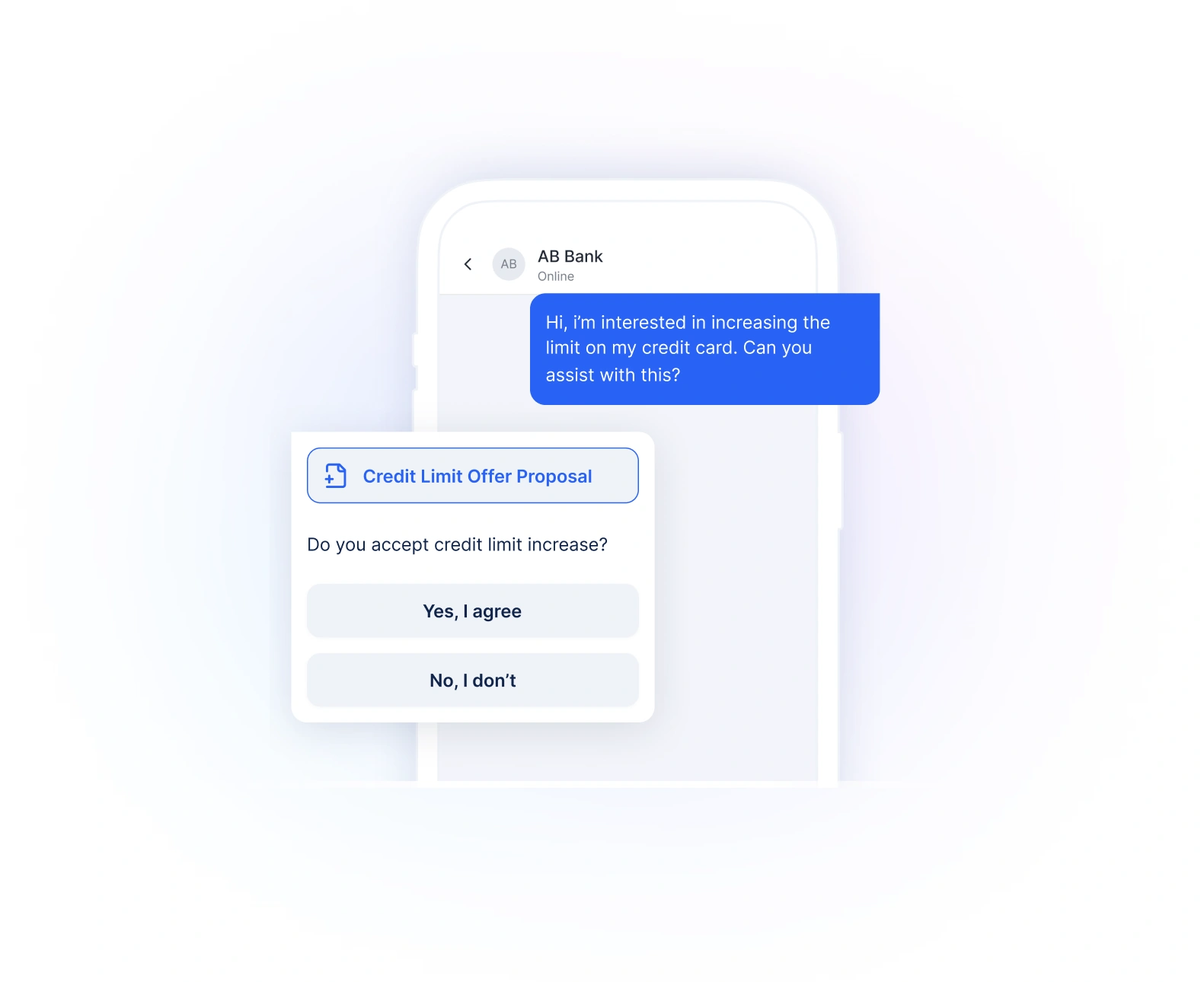
Documents sent and received inside the same encrypted channel. Nothing leaves the trusted environment.
-
Visual, Electronic Signatures
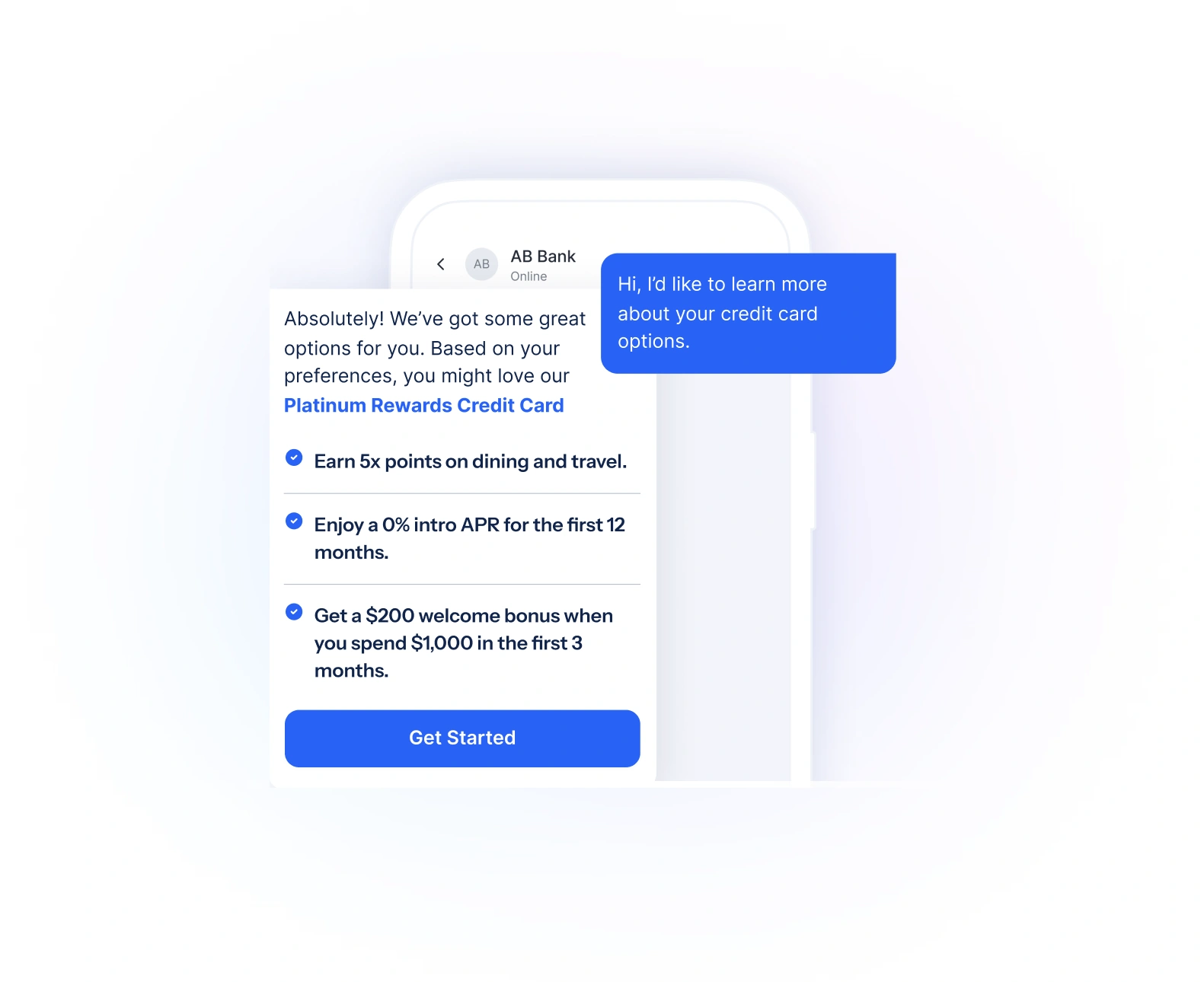
Sign with a tap. Every signature verified against a real identity.
-
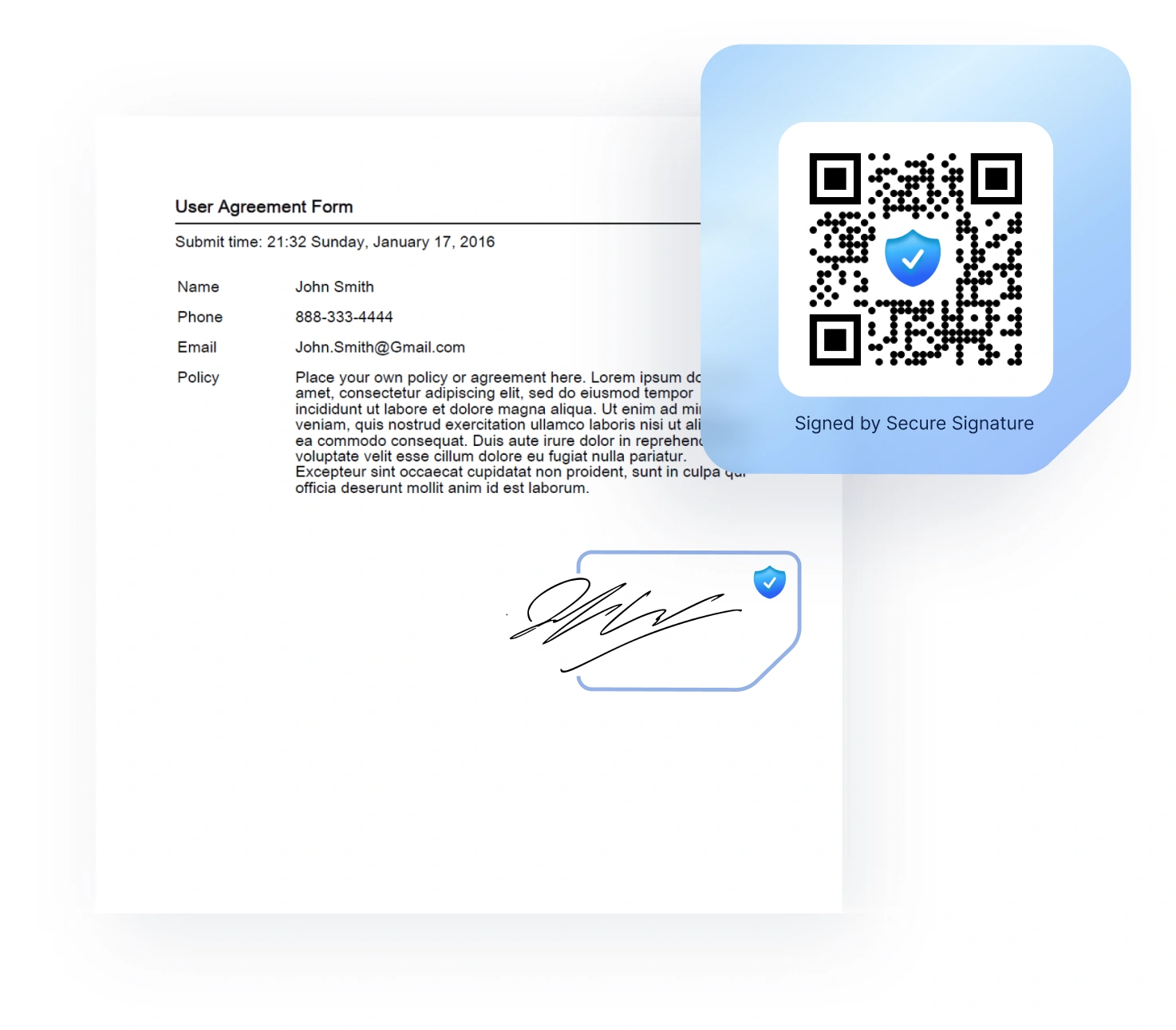
Legally Binding, Tamper-Proof
Once signed, a document can’t be altered. Every signature meets eIDAS QES standards.
-
Real-Time Status
Know the moment a message is read or a document is signed.


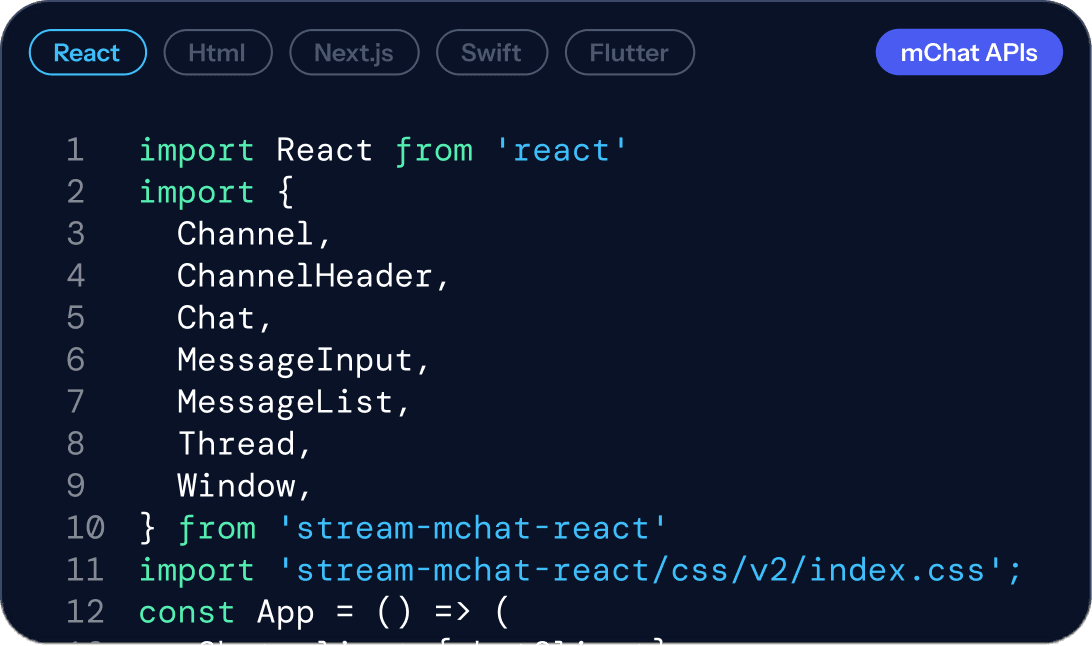
Built for Developers. Loved by Users. Trusted by Businesses.
From onboarding to automation, KOBIL Messenger works for you. Our APIs connect to your existing systems and workflows.

AI at the Core
AI-powered Chatbots
Automate routine conversations without losing the human touch.
AI-Enhanced Verification
Every signer verified automatically, before the signature is accepted.
Immutable
Once signed, a document is tamper-proof and verifiable forever.

Built for Regulated Environments
Secure Messenger & Documents ships ready for financial services, public sector, and healthcare.








The Secure Communication Platform for Today’s World
Every conversation is encrypted. Every message is trusted. With Secure Messenger & Documents:
-
 Legally binding by default.
-
Meets the highest compliance standards
-
A secure environment for your business and users.
FAQ Secure Messenger & Documents
-
KOBIL Secure Messenger & Documents provides identity-bound communication and document workflows for trusted digital processes. It enables organizations, users, and services to exchange messages, files, approvals, and signature requests within a protected channel.
-
Communication is linked to verified identities and authorized application instances rather than relying only on a phone number or email address. This helps establish who participated, which channel was used, and what action was approved.
-
Messages can be end-to-end encrypted and digitally signed. Identity-based access and token controls help ensure that only authorized users, applications, and services can participate in a conversation.
-
Organizations can send attachments, request user decisions, initiate PDF signature processes, and connect conversations to MiniApps or business workflows. Exact document types, retention rules, and signature levels depend on the configured service.
-
Binding communication creates verifiable evidence around the participants, message, context, and response. This is useful for approvals, instructions, confirmations, and regulated interactions where ordinary chat records may be insufficient.
-
KOBIL can support electronic signature and transaction-authorization processes. Legal effect depends on the signature level, evidence, identity assurance, document, jurisdiction, and process design, so requirements should be assessed for the specific use case.
-
Not necessarily. It is intended for identity-sensitive or transaction-relevant communication and can complement existing collaboration tools. Organizations can use it where verified participants, encryption, approvals, signatures, or stronger audit evidence are required.
-
Yes. Authorized customers, partners, suppliers, or service providers can be included in controlled communication and document journeys. Access and available actions are limited by identity, role, tenant, and workflow policy.
-
Yes. KOBIL provides APIs that allow authorized services and MiniApps to send messages, receive user responses, deliver attachments, and initiate PDF signature flows after the required identity integration is completed.
-
Yes. A message or guided interaction can direct the user to an authorized MiniApp or service inside the SuperApp. This connects communication with the next operational step instead of leaving the process in an isolated chat thread.
-
Identity, message identifiers, user responses, transaction context, and workflow events can be recorded according to the configured policy. Hosting, retention, residency, and administrator access must be defined for each deployment.
-
Select a communication flow that currently depends on email, paper, or an unverified chat channel. KOBIL can demonstrate how identity, messaging, documents, approval, and signature can be combined in one controlled journey.

Take the Next Step
Ready to secure your business ecosystem?
