


HOMEAPPLICATION SECURITY
40 years. Zero breaches.Not by accident.
Strong authentication, compliant signatures, and secure communication, built for how banking actually works today.


OVERVIEW
Built on Zero Trust.
Proven at Scale.
Application Security enforces continuous verification at the device, session, and transaction layer — the security infrastructure behind KOBIL’s full product stack.
Trusted Where Failure Is Not an Option






Trust Is Earned at Runtime,
Not Granted at Login
Most security models trust a session once verified. That gap is where breaches happen. Application Security checks device, identity, and behavior continuously, so trust is never assumed.
-
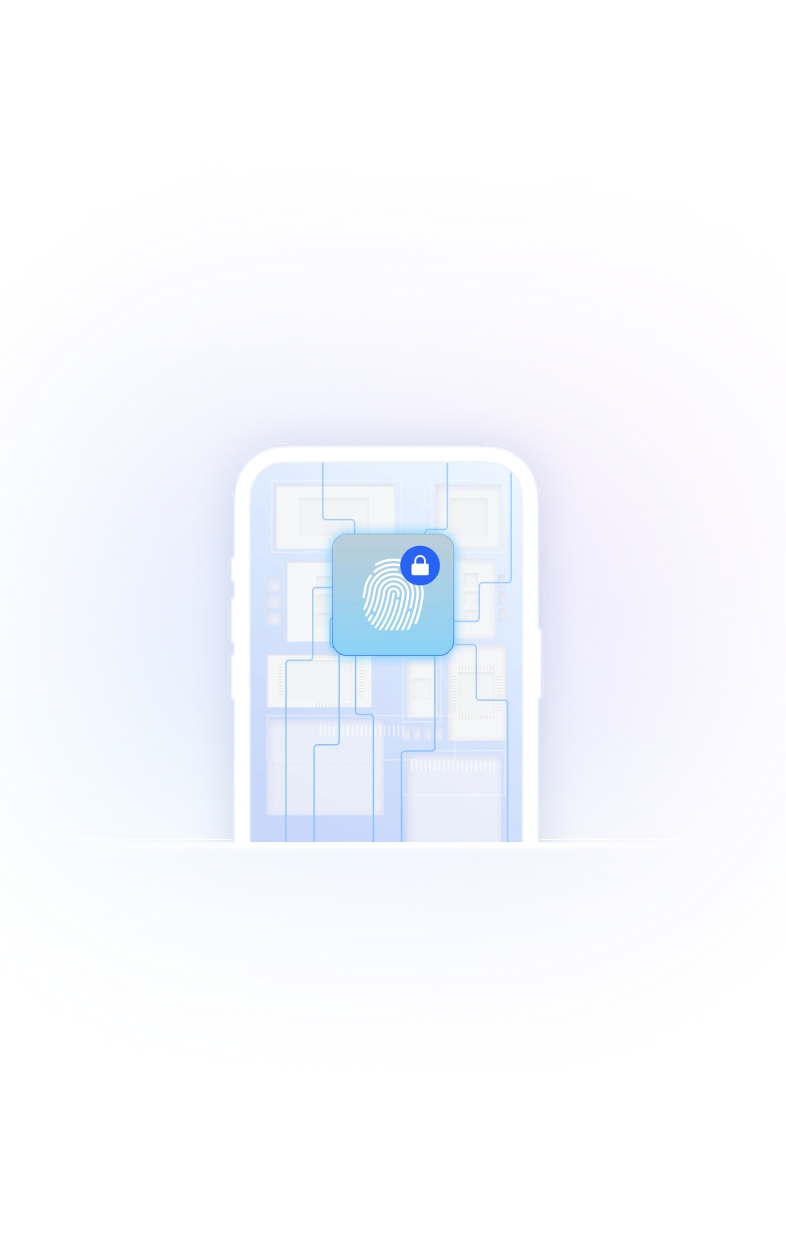
Verified Device, Verified Session
Checked before the session starts. Checked again throughout. A device that changes mid-session loses trust immediately.

-
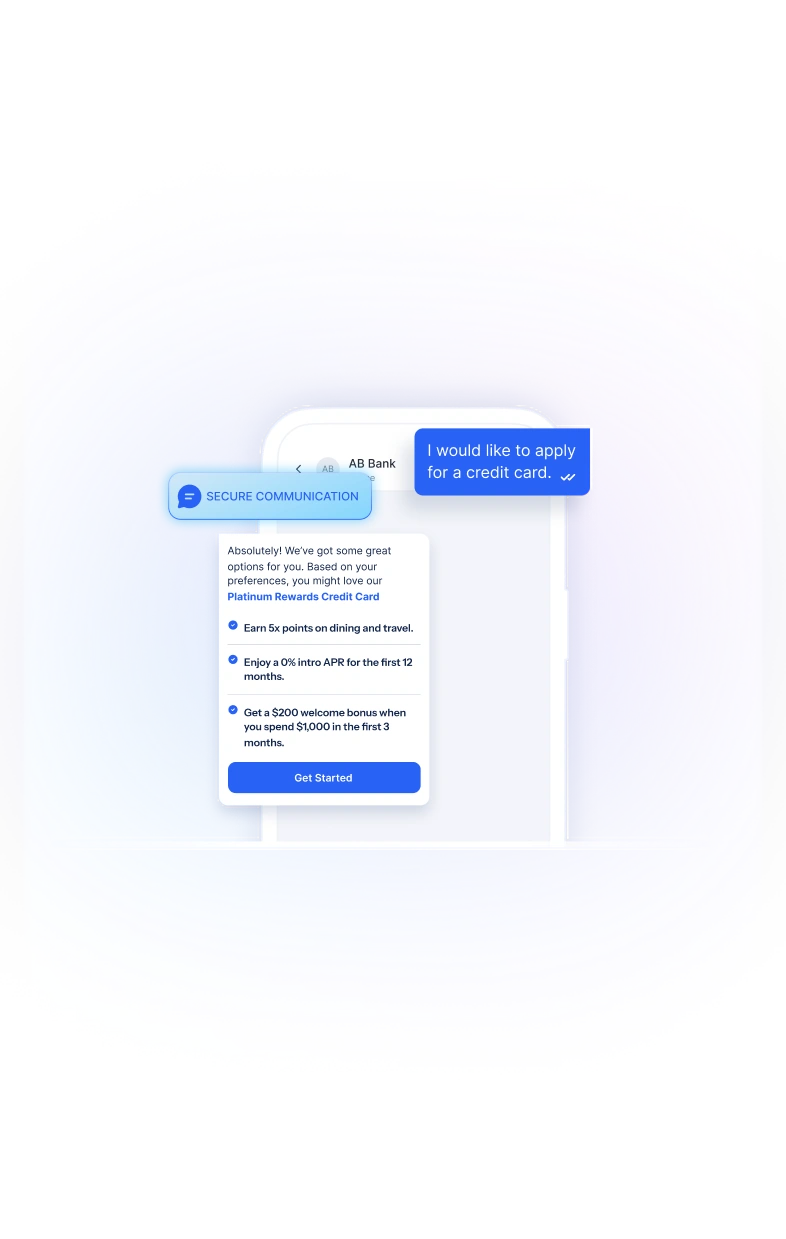
Trusted Messenger
Tampering, hooking, or debugging is caught the moment it starts.

-
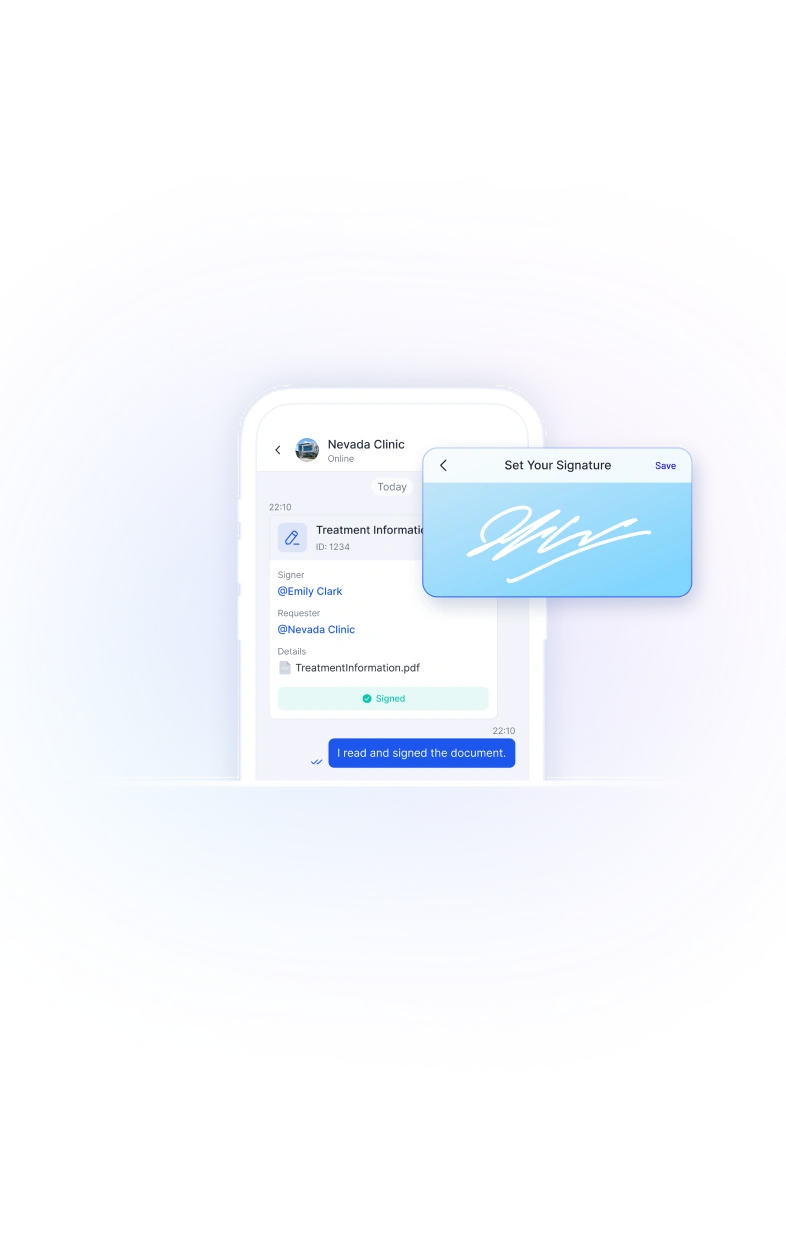
Legally Binding Signature
Any modification breaks the app before it can be exploited.
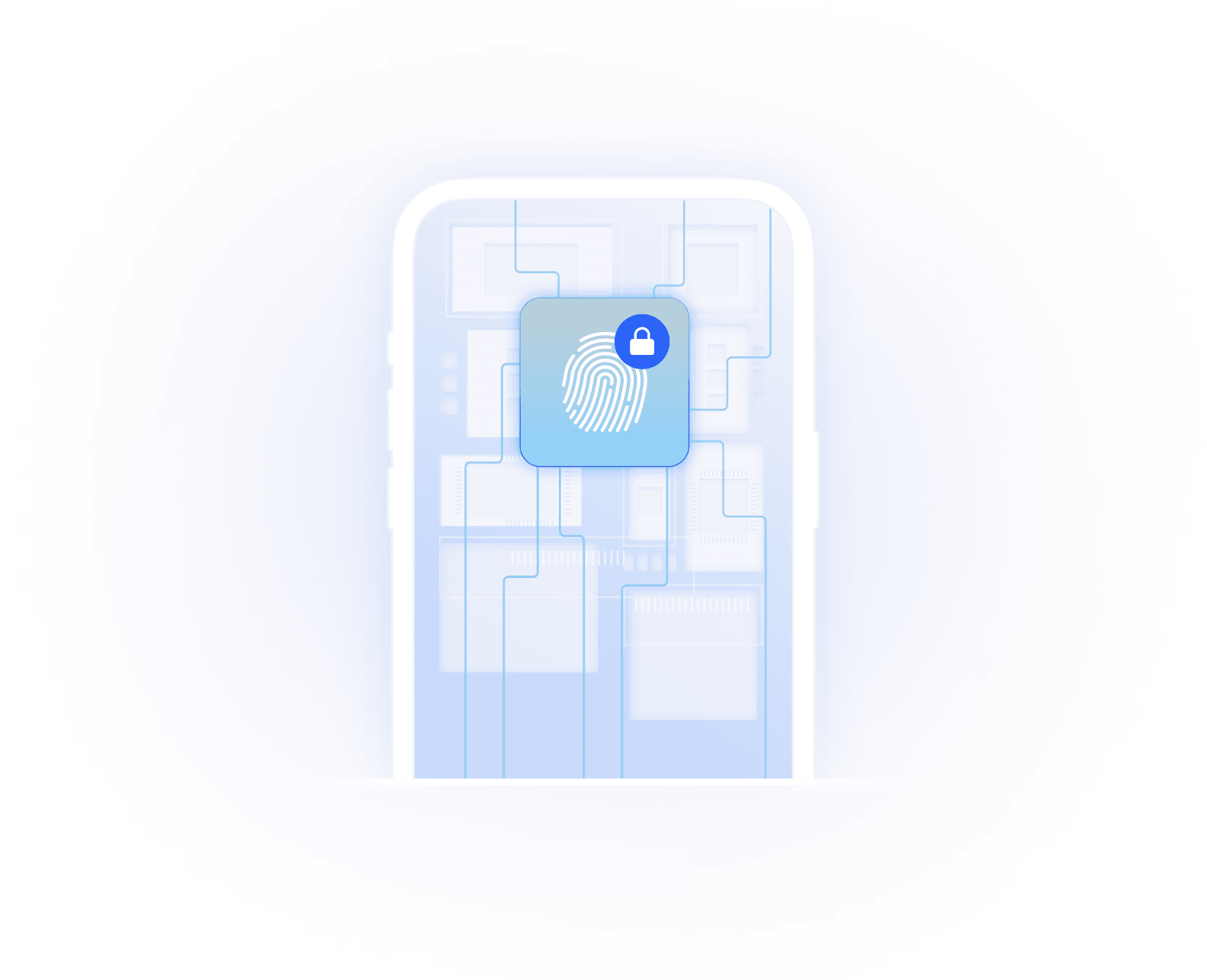
The Identity Layer
Behind Leading Digital Platforms
-
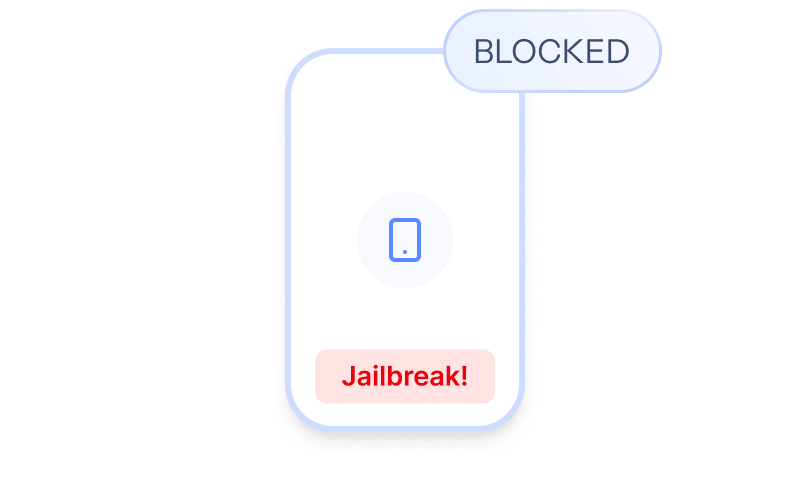
DEVICE TRUST
Jailbreak and Root Detection
Compromised device states are identified before they turn into compromised sessions.
-
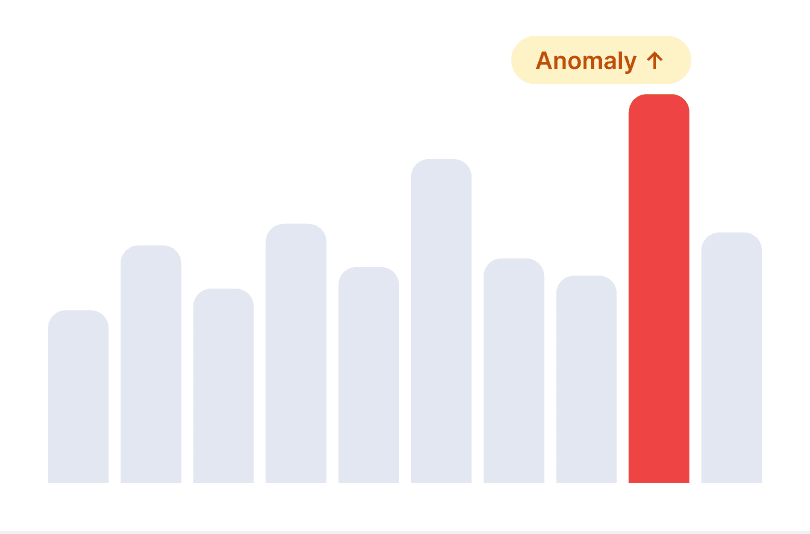
CONTINUOUS VERIFICATION
Behavioral Analysis
Each user and device pair has a baseline. Departures from it are evaluated in real time.
-
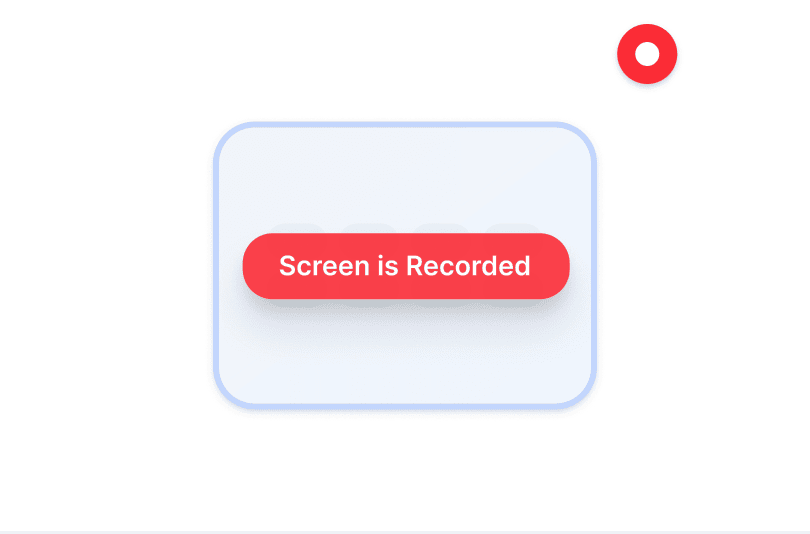
SESSION INTEGRITY
Screen Capture Defense
Active recording and unauthorized overlays are detected during sensitive sessions and shut down.
-
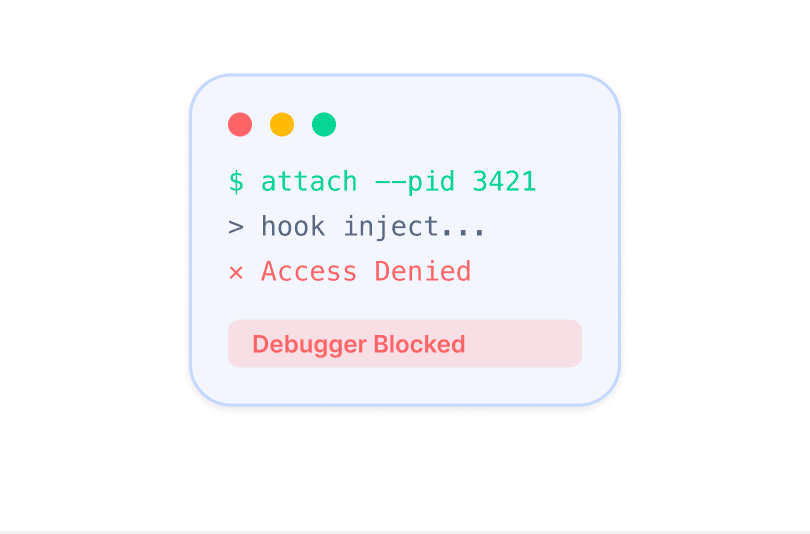
EXECUTION SECURITY
Runtime Environment Checks
Emulators, hooking frameworks, and debuggers are caught at the point of execution, not after the fact.


Protection Across the
Full Attack Surface
-
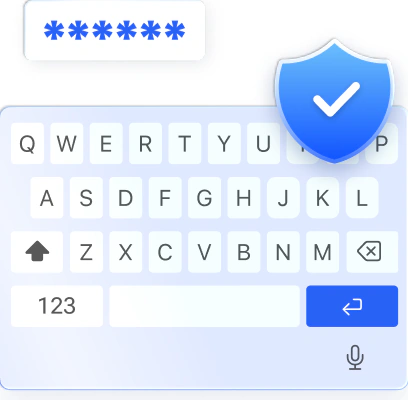
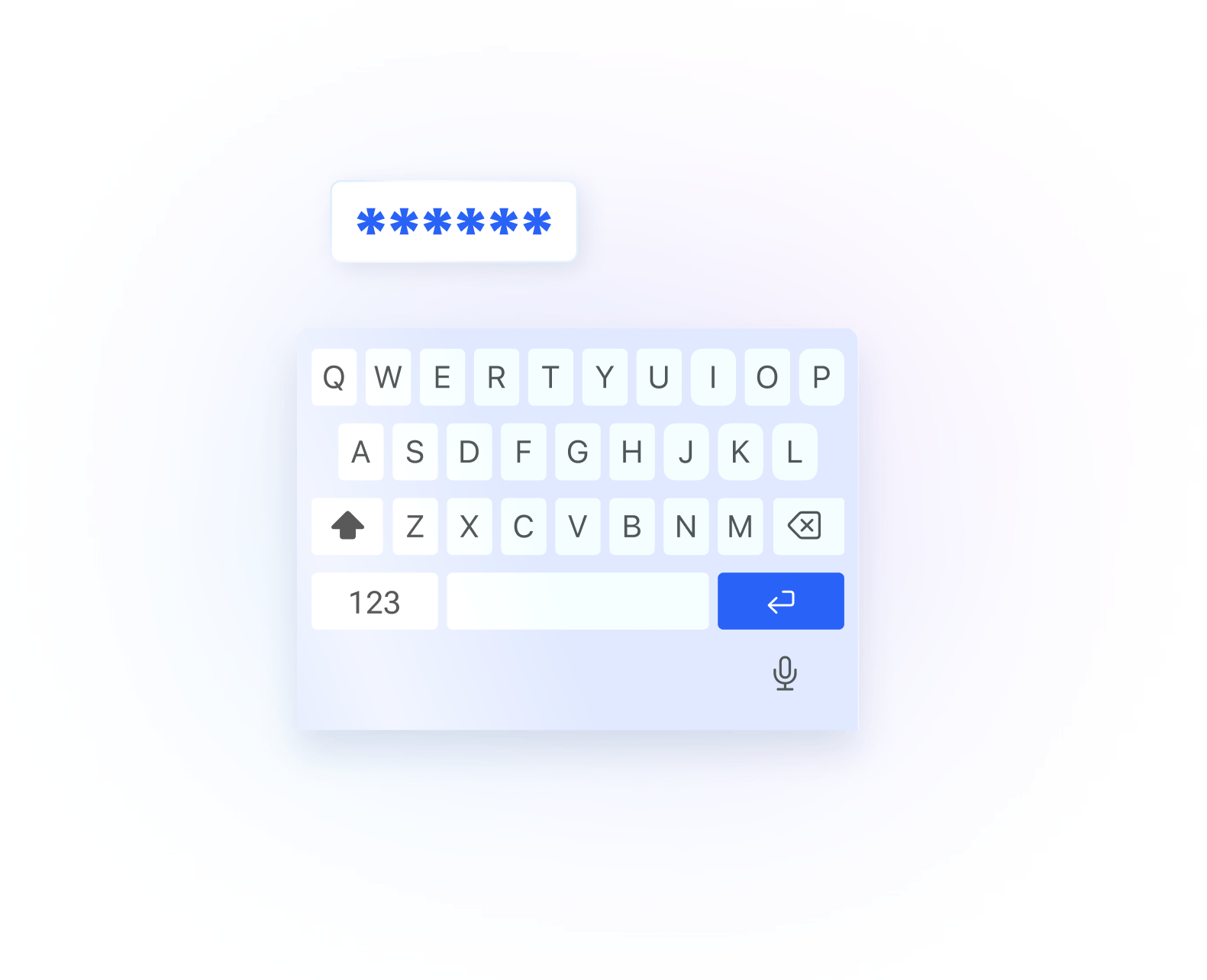
Secure Keyboard
Input bypasses the standard OS keyboard stack, so keyloggers capture nothing.

-
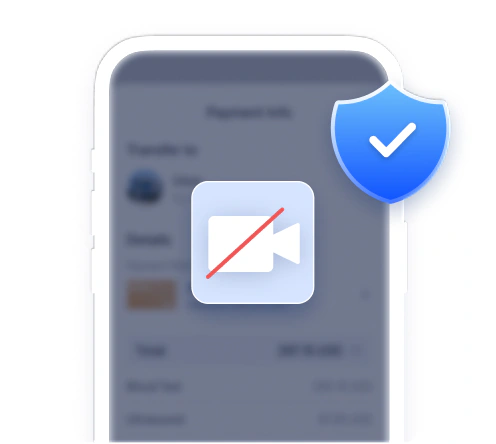
Blackened Display
Sensitive content cannot be captured by unauthorized apps. It stays on the screen it was meant for.

-
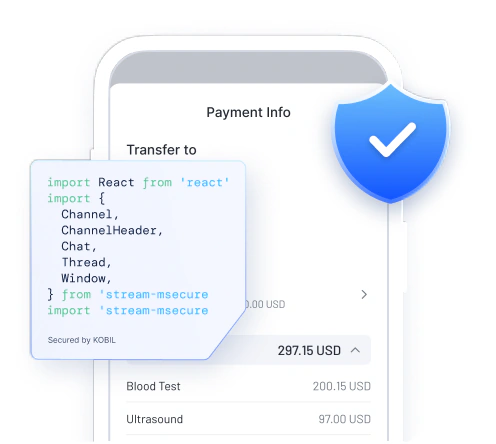
Tamper-Proof Code
Runtime integrity checks detect injection and modification and respond before damage is done.
-
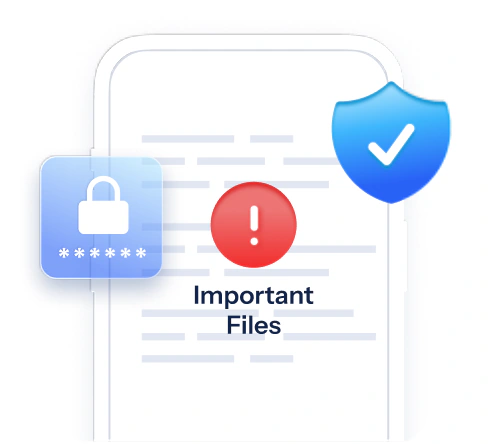
Adaptive Encryption
Encryption strength adjusts to the risk profile of the session it protects.
-
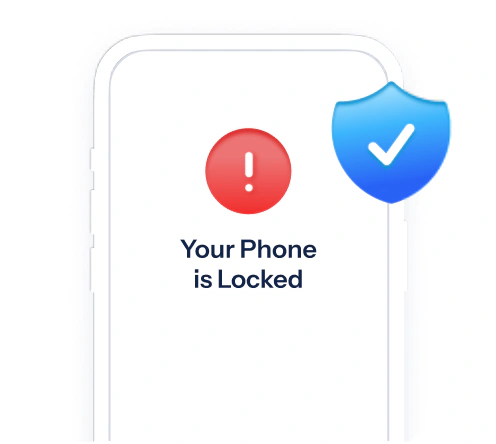
Session Lockdown
When trust conditions break, the session ends and access is revoked. No manual step required.
Built for Regulated Environments
KOBIL Application Security ships ready for the requirements of financial services, public sector, and healthcare. Compliance posture is architectural, not a checkbox added before launch.













-
Full Data
SovereigntyDeploy on your own infrastructure or in a dedicated cloud. No shared tenancy, no compromise on control.
-
Intelligence That Compounds
Security analysis sharpens with session history and requires no manual tuning to stay current.
-
Invisible to Users, Inescapable to Threats
Scale from a single use case to a complete digital ecosystem without rebuilding your foundation.
With Application Security, your security doesn’t just protect – it scales.
Why Application Security?Because Zero Trust Must Work in Practice
Four reasons organisations build on Application Security instead of starting from scratch.
-
A Record, Not a Claim
Forty years protecting critical systems without a breach. The standard was set in practice, not in a brochure.
-
Security That Speeds Work, Not Slows It
Verification at the device and session layer removes friction instead of adding it. Accountable processes run faster, not slower.
-
Engineered in Germany
Built to the standards that European banks and governments are held to, and trusted by them.


FAQ Application Security
-
KOBIL Application Security helps organizations assess, harden, and protect mobile applications against attacks that target the app itself or its runtime environment. It combines vulnerability insight with embedded protection for Android and iOS applications.
-
Protection can address reverse engineering, tampering, repackaging, debugging, hooking, code injection, runtime manipulation, emulators, and rooted or jailbroken devices. The selected protection profile determines the active controls and response.
-
A scan identifies weaknesses at a point in time. Runtime protection remains inside the application and monitors conditions while the app is running, allowing it to detect or respond to attacks after release.
-
No. It complements secure development, code review, penetration testing, API security, and server-side controls. It adds a protection layer for threats that occur on end-user devices outside the organization’s direct control.
-
The upload-based workflow can scan and protect compiled mobile builds without requiring source code. Organizations provide an Android .aab or .apk, or an iOS .ipa, depending on the selected process.
-
KOBIL supports Android and iOS application protection. Native and common cross-platform application stacks can be supported, but compatibility should be checked against the application framework, build process, and required protections.
-
KOBIL offers zero-code shielding for suitable compiled builds and SDK-based options for deeper managed integration. The appropriate method depends on release automation, visibility, identity requirements, and operational control.
-
The application can detect, report, restrict, or block activity according to the configured policy. Responses may include preventing access to a sensitive function, stopping a transaction, ending a session, or recording the event for investigation.
-
Managed protection options can provide runtime intelligence and centralized visibility into detected threats. Required dashboards, reporting, and security-operations integrations should be defined during solution design.
-
Application hardening adds security controls to the build, so impact should be tested as part of release validation. KOBIL profiles protection to reduce unnecessary friction while preserving the controls required by the risk model.
-
It provides controls and evidence relevant to mobile application integrity, threat detection, traceability, and data protection. These capabilities can support requirements associated with GDPR, DORA, NIS2, PSD2, eIDAS, ISO standards, and sector-specific policies; they do not replace an organization’s compliance assessment.
-
Begin with a non-production Android or iOS build. KOBIL can help assess the application, review the vulnerability findings, and define a protection profile before production rollout.

Take the Next Step
